The newsroom question worth asking before you buy anything
Agentic AI is moving into newsrooms.
The decision it forces is not which tools to buy but which ones your people still touch.
Here’s a question worth taking into every workflow vendor conversation right now. When agents are more involved in the work, which screens still need to sit in front of your team, and which ones disappear into the background for the agents to call on?
Most newsroom technology gets sold on doing more with less. This is the sharper version of that, because it changes what you are actually buying. You are no longer just buying tools for people to use.
You are deciding which tools your people use directly, and which ones the agents use on their behalf. Get that line wrong and you have bought a more complicated newsroom, not a simpler one. It is a real question, not a slogan, and almost nobody on the trade show floor is asking it yet.
Why it matters more than the usual pitch
The familiar version of the story goes like this. Journalists are publishing to more platforms than ever, usually without more people to do it, and the job is to bring them relief without cutting corners on quality. True, and worth saying. But “do more with less” has been the line for years. What changes now is how the relief actually arrives.
A couple of years ago, AI in the newsroom mostly meant chatting with a model to get answers back. That has moved on. The useful question now is whether a system can handle real workflows and take the complexity out of the steps people grind through to get their jobs done, while holding security and editorial standards in place.
The part most vendors skip: standards teams have to be inside those AI workflows, not reviewing them from the outside after the fact. Trust is not a setting you switch on at the end.
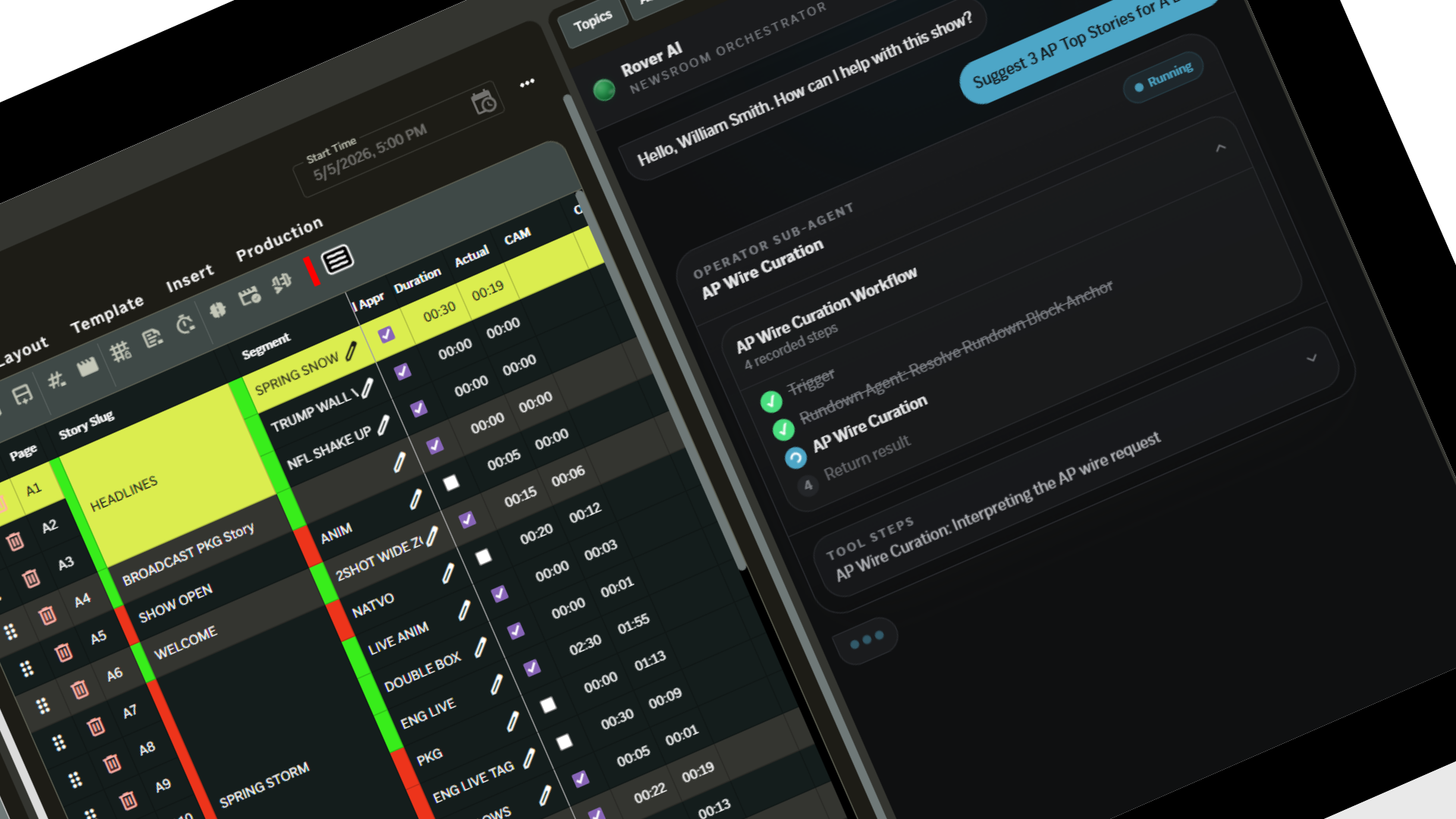
Rover AI, the newsroom orchestrator inside AP Storytelling, working alongside a live rundown.
What agentic AI in the newsroom actually means
When agents learn how you work, they pick up the cumbersome steps, the clicking around, the button-pushing that eats a day. Less of that means more time on the part that matters, telling better stories and getting better journalism done.
Journalists focus on the work, not the machinery behind it.
Which brings you back to the question at the top. In a setup where agents collaborate to get the job done, the interface decision stops being cosmetic. Some screens stay front and center because your team works in them. Others recede because the agents are the ones reaching for them.
Knowing which is which, for your newsroom specifically, is the thing to drill into with every provider you meet.
Journalists focus on the work, not the machinery behind it.
What it should look like
Systems coming together intelligently. Trust and story context kept at the front, not bolted on afterward. Interfaces that get simpler, not busier.
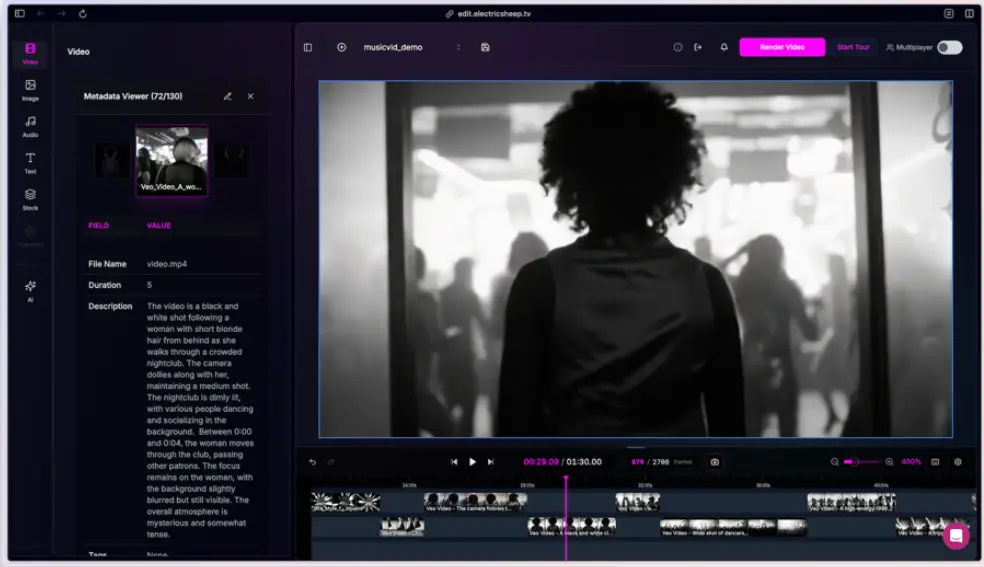
There is a lesson in how creators already work and the tools they reach for, and newsrooms can borrow from it, then get the product out to where it needs to go as fast as it can.
This came up in a conversation our VP & general manager, Brian Hopman had on the floor at NAB 2026.
The full interview is here, and it is worth a few minutes if you are weighing the same decisions.
We build inside our newsroom
We build inside AP’s own newsroom, so we start from the same problems you are already dealing with, not a whiteboard.
If you are working through what this shift means for your team, we would be glad to talk it through.